Caravan & Gear Reviews
Every review in this section comes from hands-on time with the vehicle, van or product. We measure real tow ball weights, test off-grid systems away from powered sites, and live in the caravans we review rather than walking around them at a dealership. If a van has a weakness — poor dust sealing, awkward bed conversion, thirsty fridge — we say so.
What we review
Our review archive spans caravans, camper trailers, motorhomes, 4WDs and tow vehicles, plus the accessories that tie a touring setup together: solar panels, lithium batteries, awnings, towing mirrors, brake controllers and more. Use the reviews to shortlist, then confirm weights and ratings against your tow vehicle before you buy.
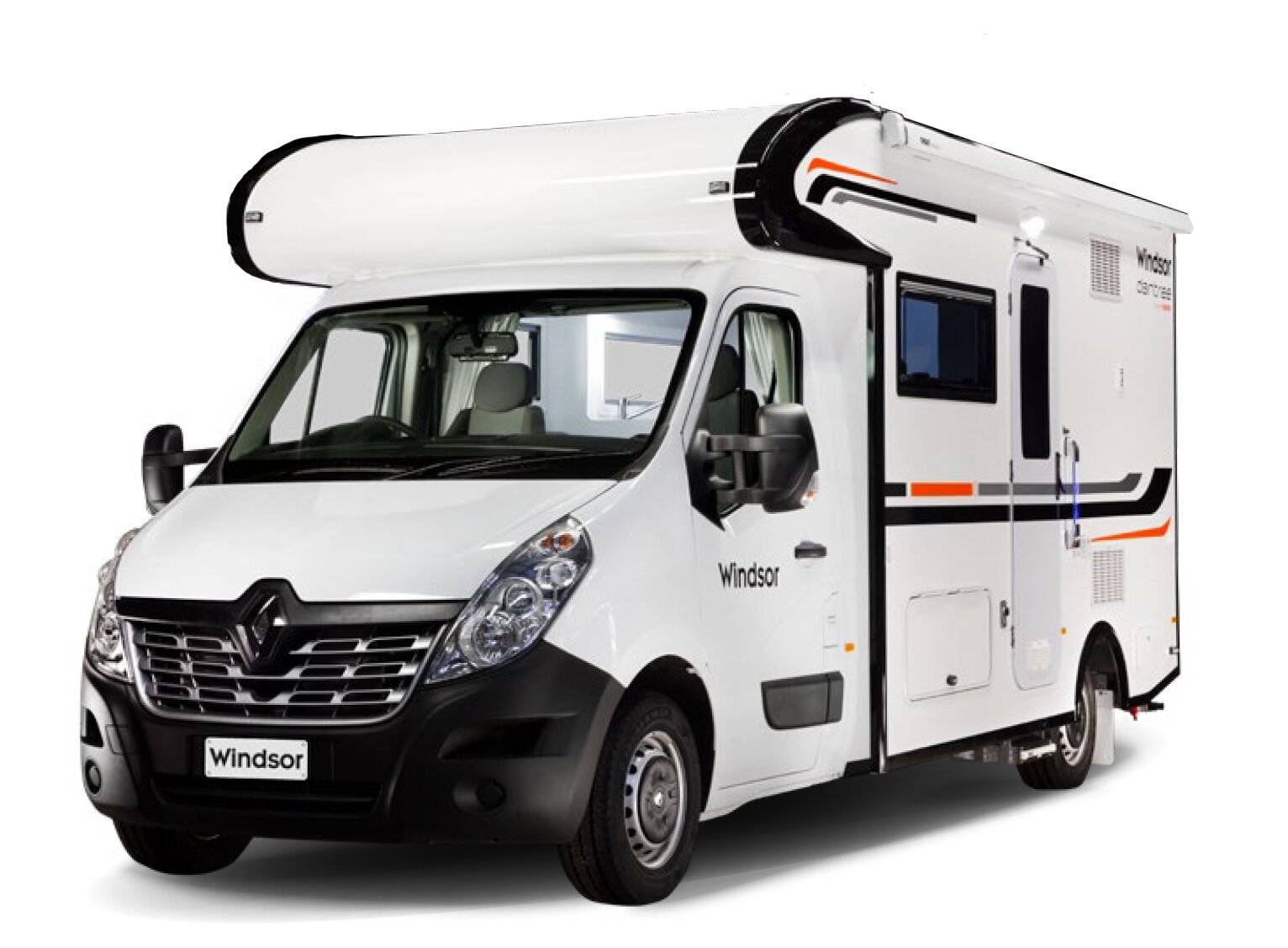
Windsor Caravans Now Does Motorhomes
In the current issue of ROAM (issue 43 - download the app to read it if you aren't subscribed), we take a look at the first of the new Winds…
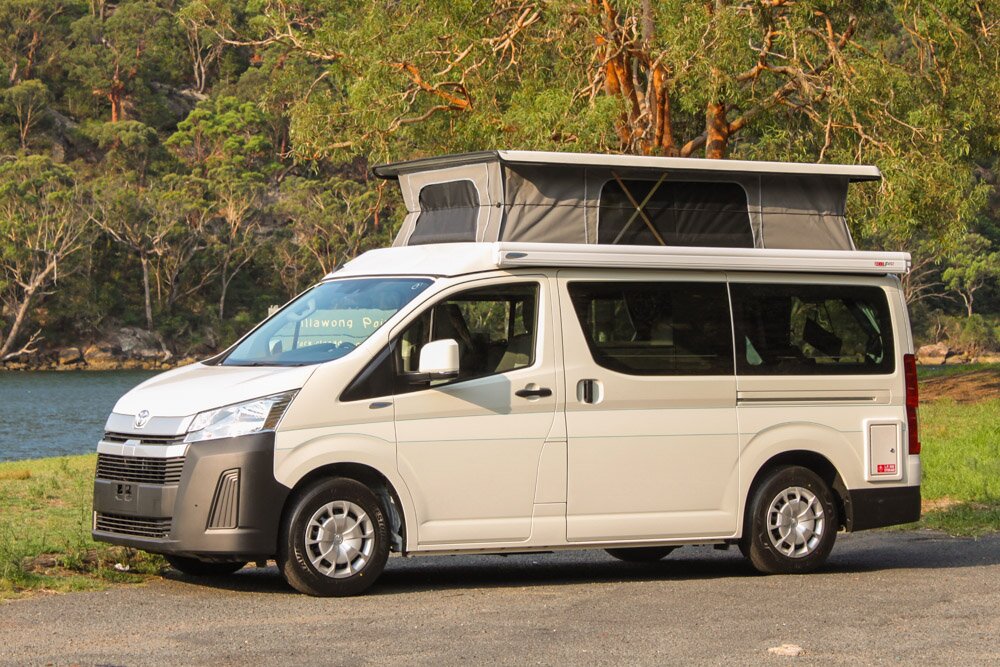
New HiAce Frontline Camper Unveiled
The first full-scale Australian campervan conversion of the new Toyota HiAce will be unveiled at the Newcastle Caravan Camping Lifestyle Exp…

Review – Coromal Element Evolution RTV
After years of being the bane of shareholders in Western Australia, Coromal is now finally in the hands of another ASX listed company, this …
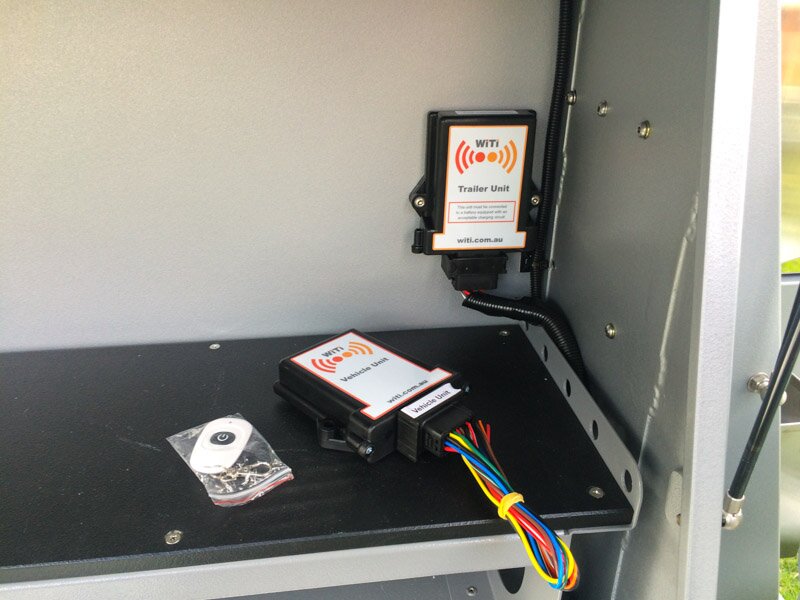
Wireless Trailer Connector – First Look
Trailer plugs are as synonymous with caravanning as ball hitches and arguments about shackles. And there are so many different types of trai…
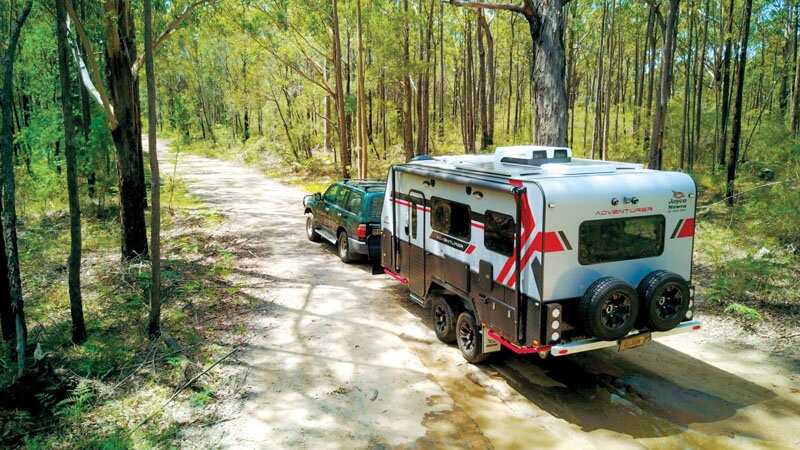
Jayco Adventurer 16.50-3 – Review
There is so much variance in the world of off-road caravans. Look on any classifieds website and you’ll be able to inspect a $145,000, 16-fo…
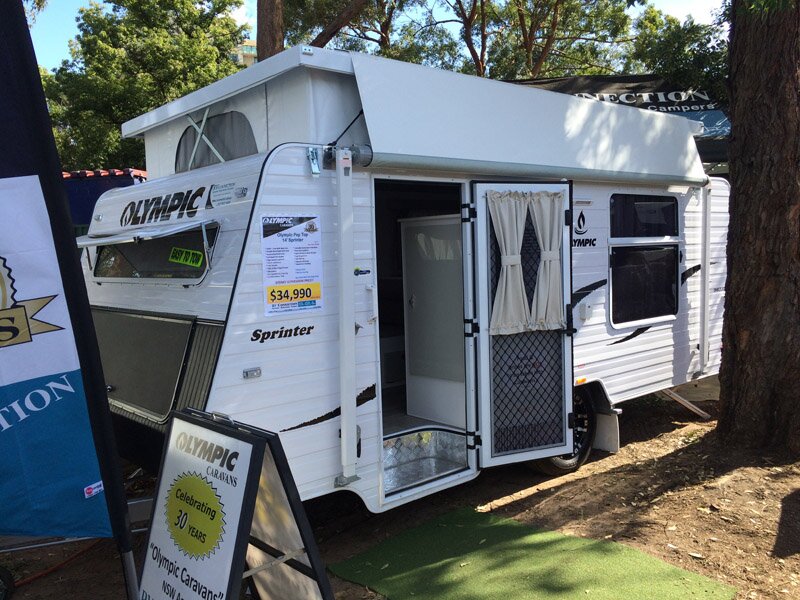
The Little Olympic That’s A Blast From The Past
If you're planning on visiting the Rosehill Supershow this week, you'll very likely be overwhelmed by large, fancy caravans that are heavy a…
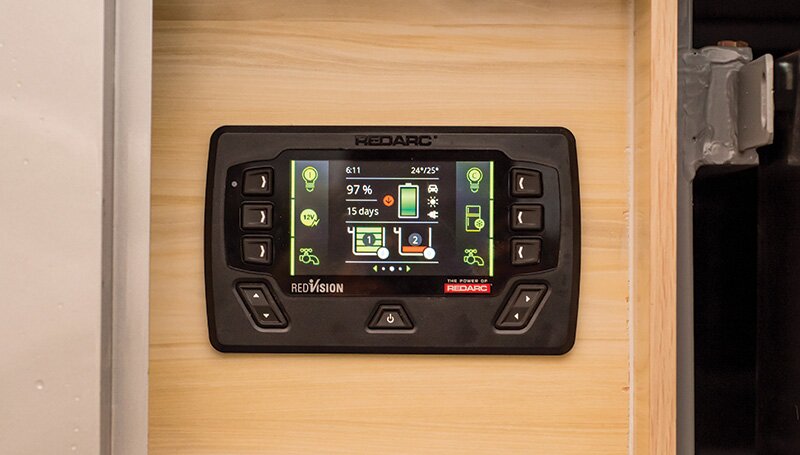
Redarc Redvision Review
I know plenty of media has already reviewed and praised the Redarc Redvision system, but I’ve been hesitating until I’d used it in a handful…
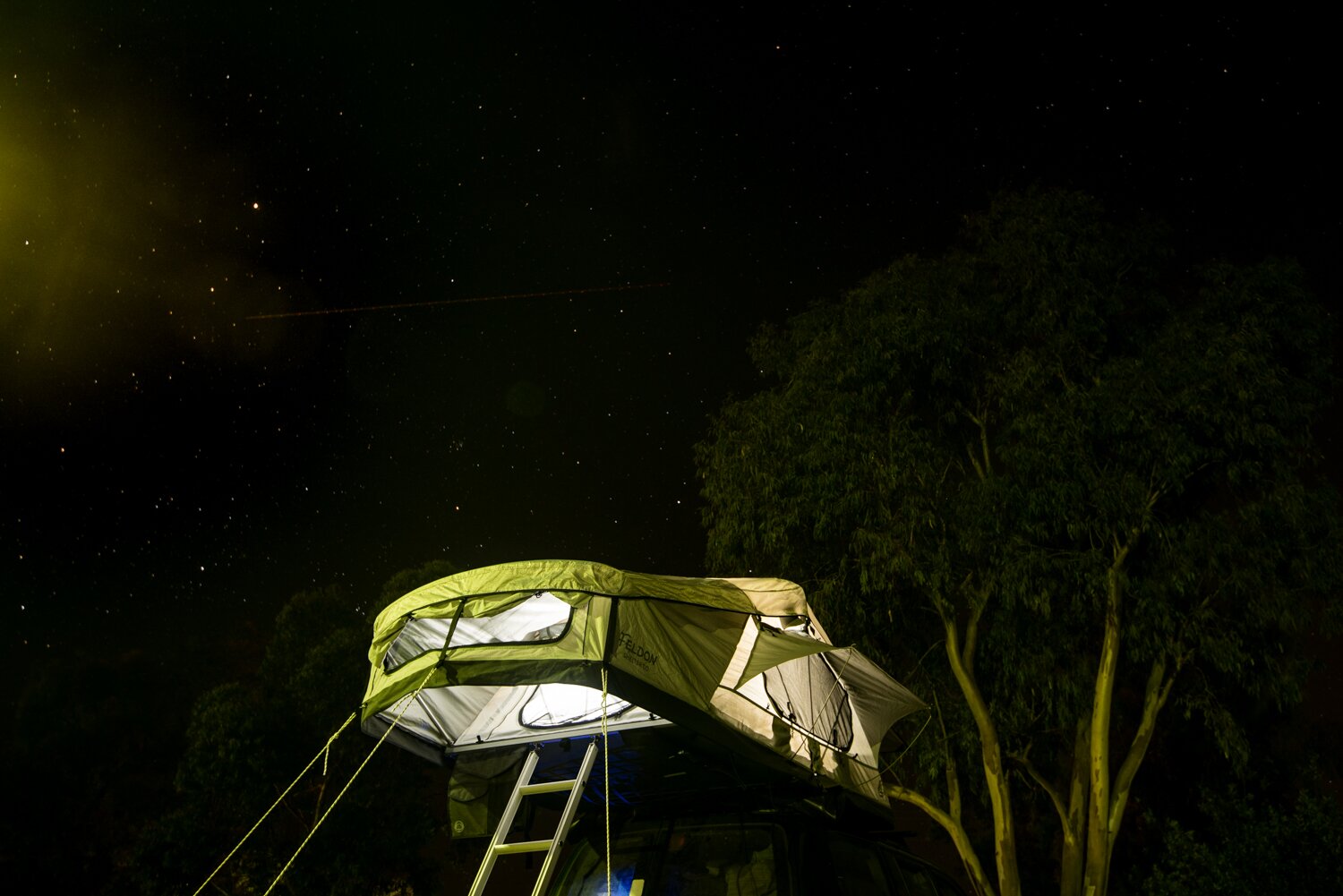
Review – Feldon Shelter Crows Nest Extended
When rooftop tents first became a thing, they were mostly built by small, specialist canvas workers who had a passion for camping themselves…

100 Things To See In The Kimberley – Book Review
The Kimberley is nearly twice the size of Victoria, which means going there without a guide of some sort probably means missing the best of …
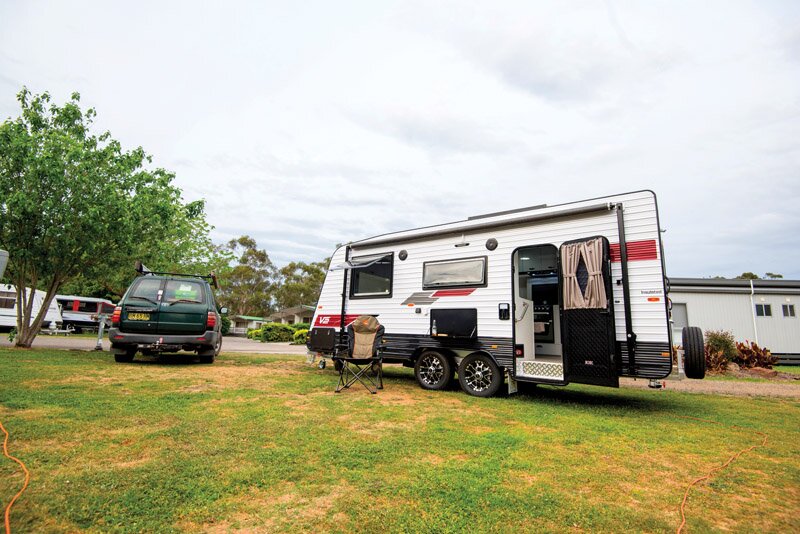
Caravan Review – Viscount V2
If you knew next-to-nothing about caravans, there’s a good chance the ‘next-to’ would be the name Viscount. At one time it was a powerhouse …
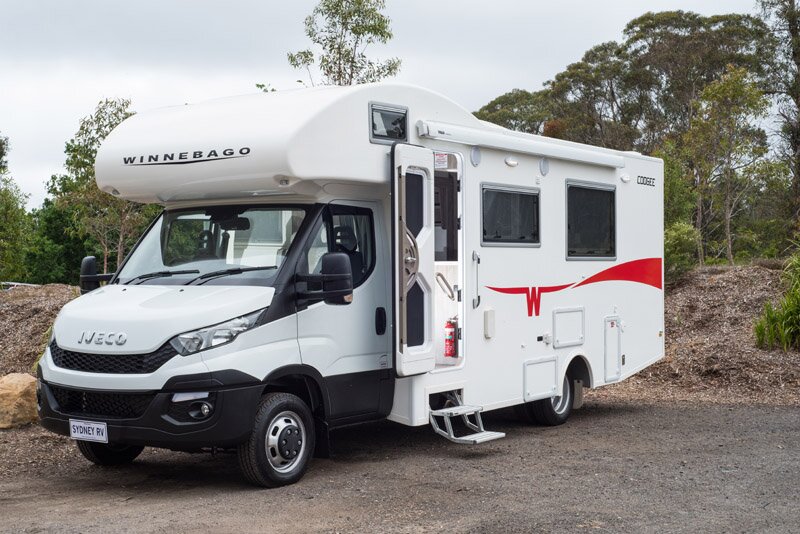
Motorhome Review – Winnebago Coogee
Winnebago, under the supervision of Apollo Motorhome Holidays in Australia, has been kicking a lot of goals lately. It’s listed itself on th…
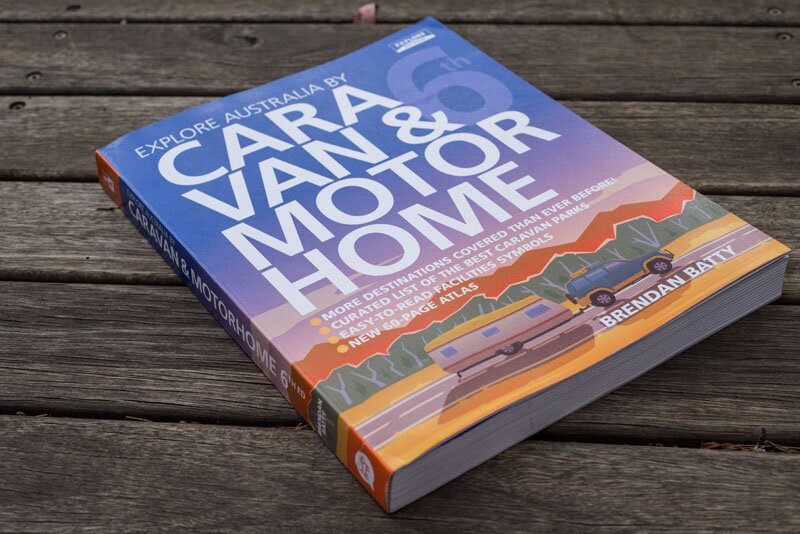
Book Review – Explore Australia by Caravan and Motorhome (6th Ed.)
Can the author of his own book write a balanced review of it? Probably not. I've known the author of Explore Australia by Caravan and Motorh…
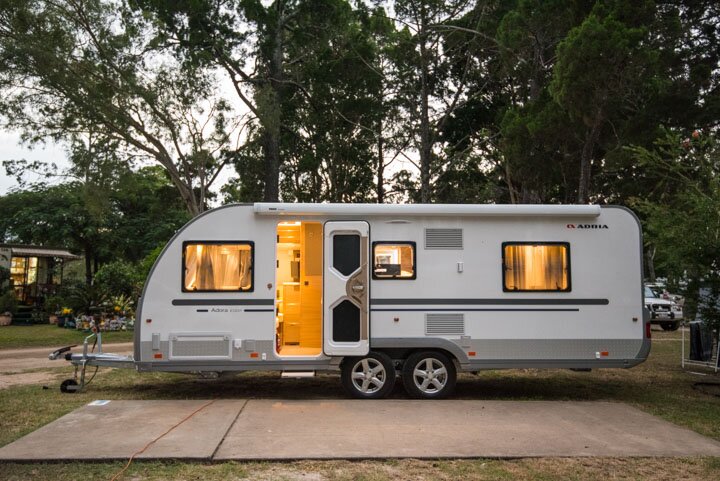
Caravan Review – Adria Adora 612
While we were showing off a bunch of vintage caravans at the recent Sydney Caravan Camping Holiday Show, some friends of mine came past and …
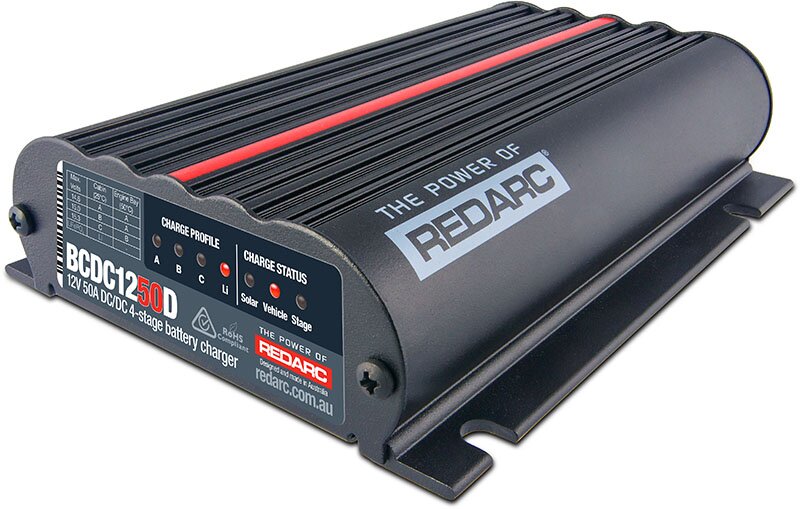
Redarc BCDC1250D DC to DC Charger Review
As the power needs of our four-wheel drives and caravans are increasing, so are the demands we are placing on our battery charging systems. …
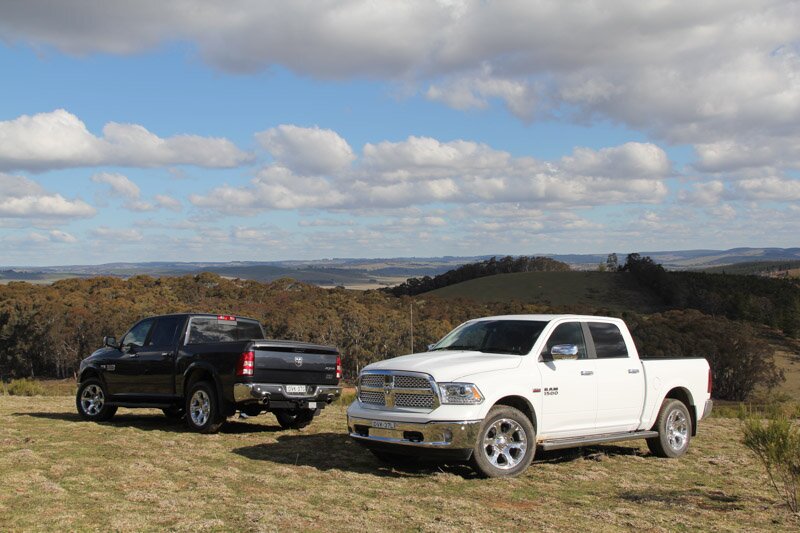
Tested – RAM 1500 Laramie
Like many Aussies car fanatics, I’ve always loved the sound of big V8. Combine this with the practicality of a 4WD dual cab and the ability …

Motorhome Review – Avida Birdsville
The gold-standard in caravans, at the moment, seems to be something with a massive ensuite at the rear, but when it comes to motorhomes, tha…
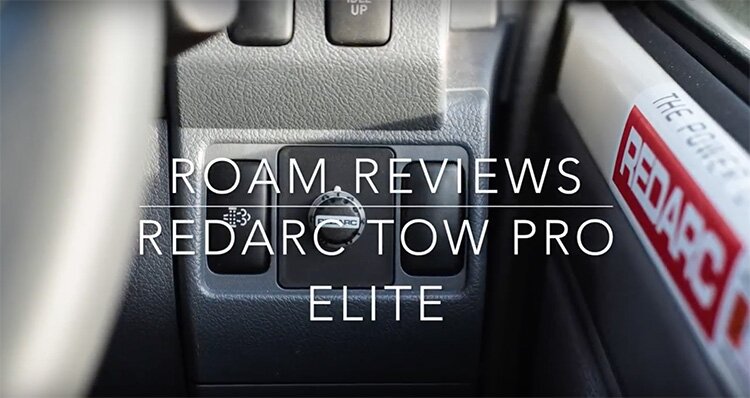
Review – Redarc Tow Pro Elite
Electric brake controllers have come a long way since electric brakes were first introduced in the 1970s by the company that is now AL-KO. F…
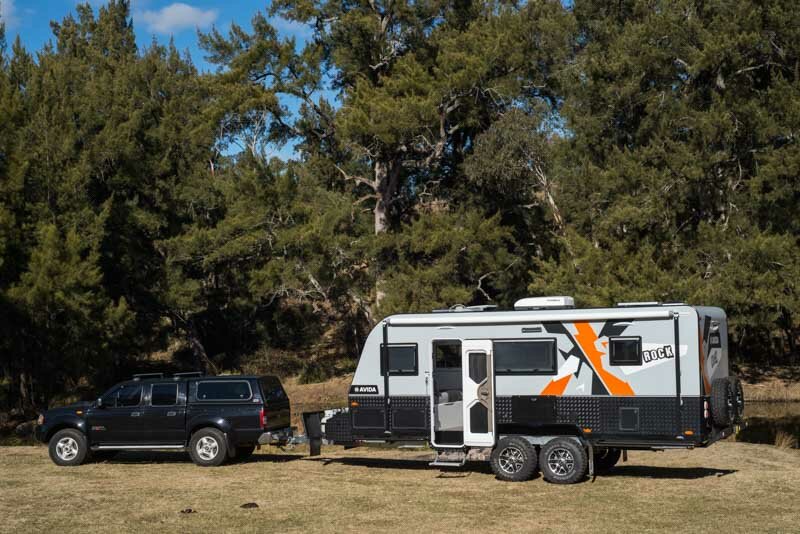
Caravan Review – Avida Rock Family Bunk Van
Avida, still a family run company after more than 50 years (although formerly known as Freeway Campers and then Winnebago) has long been one…
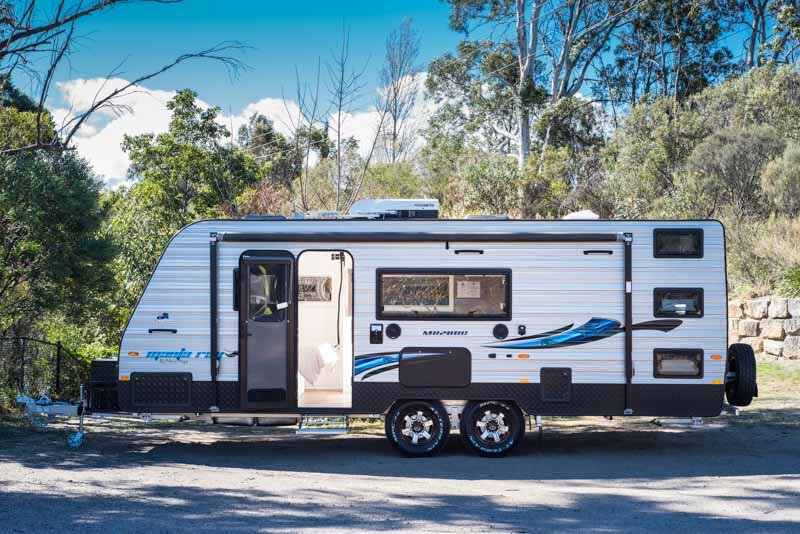
Caravan Review – New Age Manta Ray
New Age Caravans has always been well known for its contemporary design, stunning interiors and good value vans. The company has undergone a…
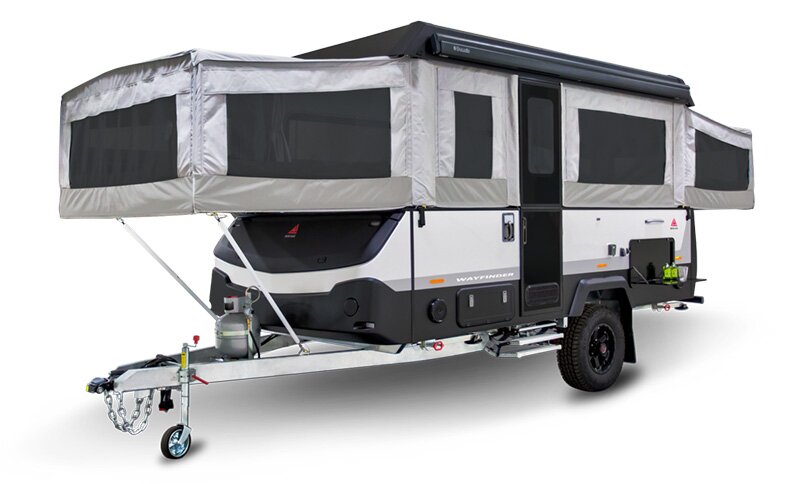
New Age Wayfinder – Quick Review
Earlier in the year, New Age Caravans, with the help of major shareholder Walkinshaw Automotive Group, showed off its rebirthed camper trail…
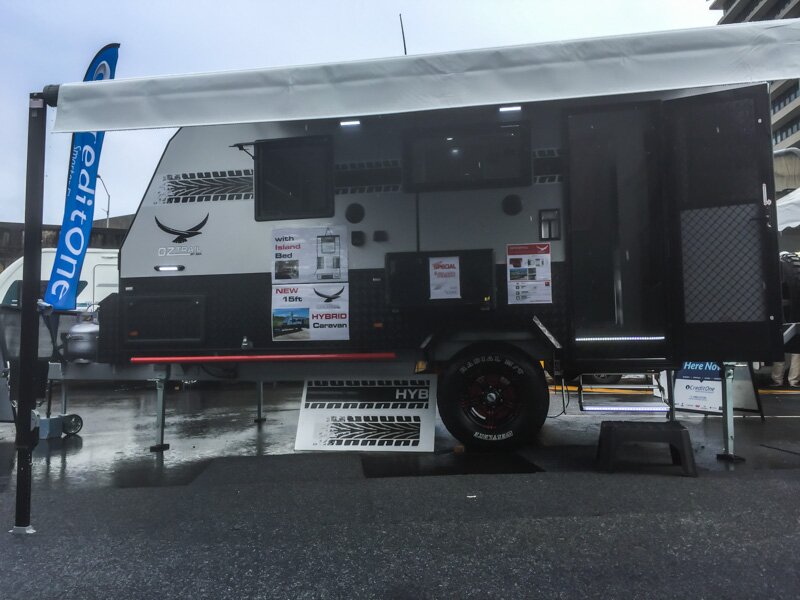
Trail’s Hybrid 15-footer on Show
From the same people who bring English built Swift Caravans into Australia comes the Trail RV Hybrid, an Aussie-built micro off-road caravan…

RAM 1500 Comes to Australia – Price and Specs
The head brass of RAM Trucks Australia have made wild claims about the soon-to-be released RAM 1500, the more reasonably sized pick-up truck…
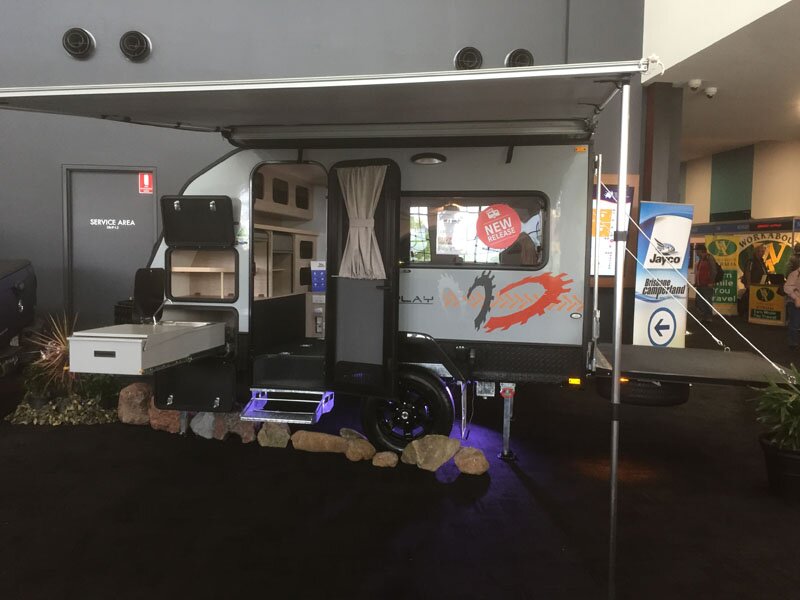
Jayco Launches Updated Work’N’Play Range – Review
Do you rememeber the Jayco Xplo, a bizarre, full off-road concept toy hauler that fortunately never saw the light of day? Well, it seems Jay…
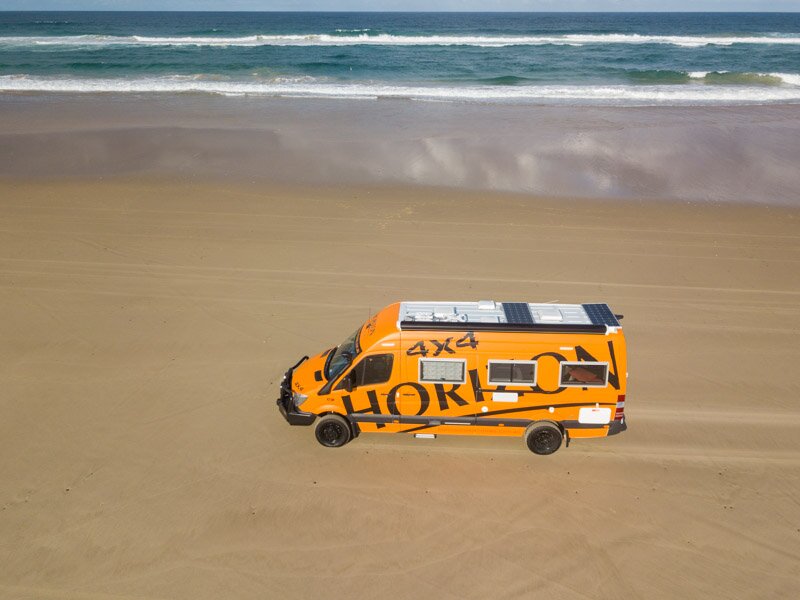
Review – Horizon Motorhomes Waratah 4×4
I was concerned driving such a large vehicle onto Killick Beach, north of Crescent Head. I’m no stranger to driving on beaches, or even driv…