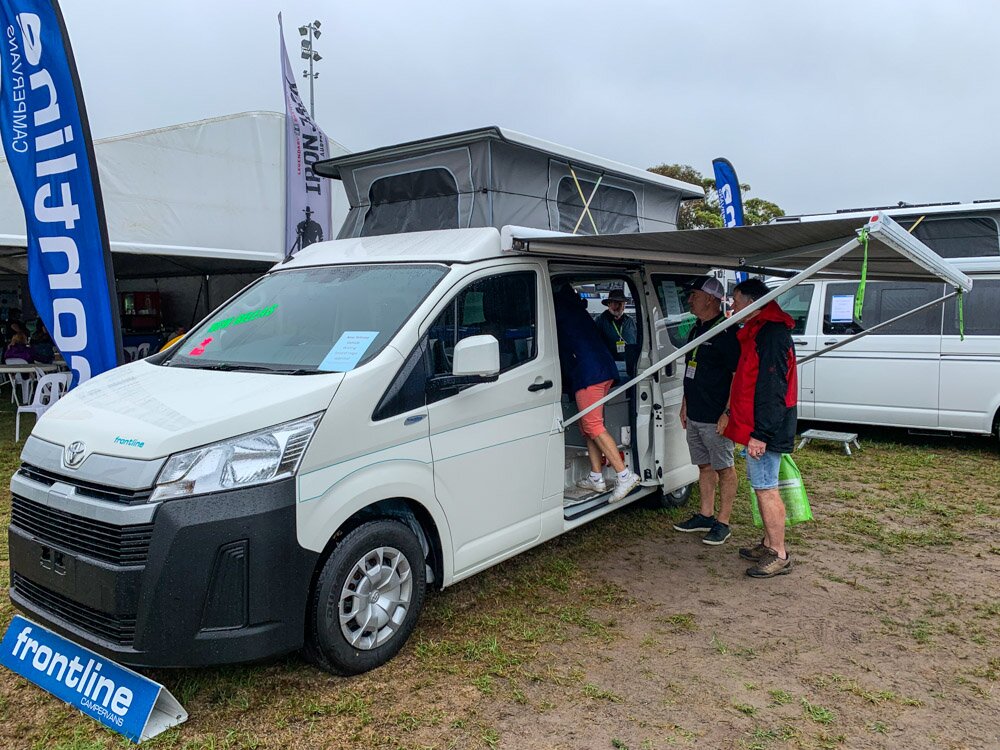
On a weekend of record rains, the brand new HiAce-based campervan from Frontline Camper was on display at the Newcastle Caravan Camping Lifestyle Expo. The previous model HiAce was in service for nearly 15 years, so to say the update is overdue is an understatement. We got a chance to look over the first model off the production line, and chat with Frontline frontman Peter Farrugia about its particulars.
On why they were so keen to get a new HiAce camper to market, Peter told us, “Our history started in 1987 with the HiAce, so it’s a natural progression for us. This is a new model that came out in the middle of last year, and we’ve been in a 6-month design process to bring to the market what people expect of us.”
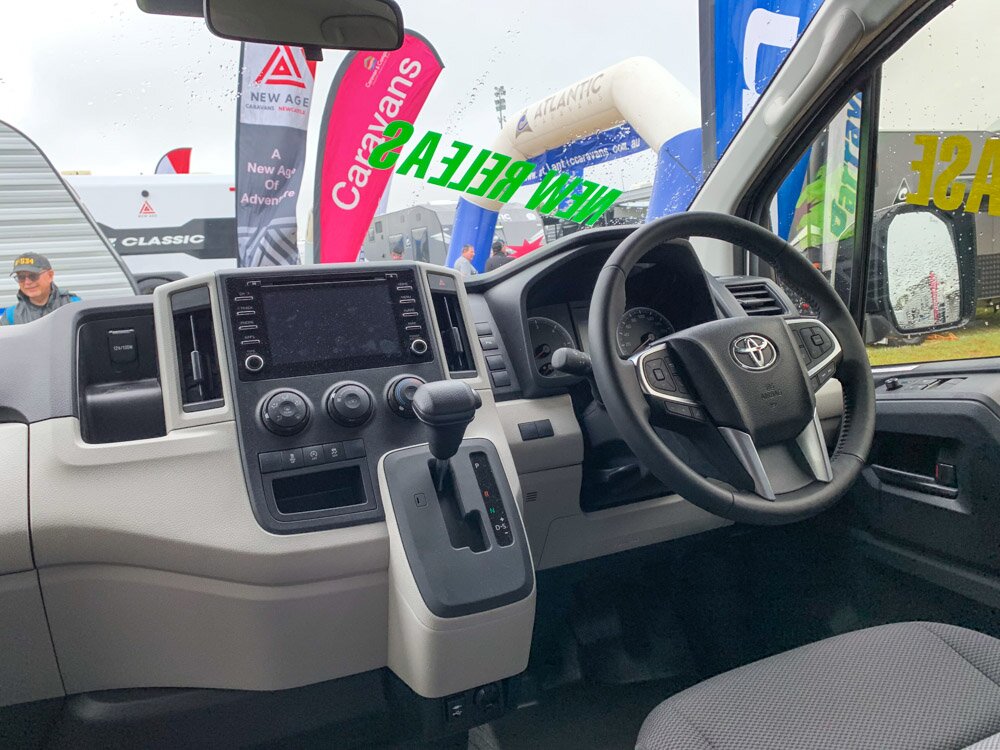
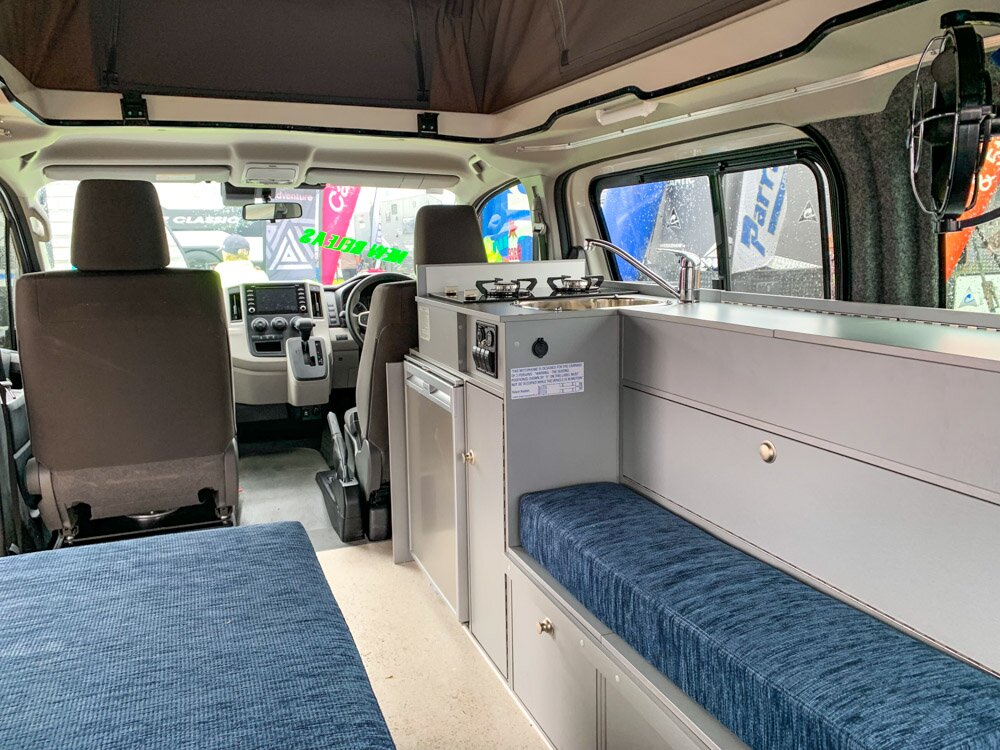
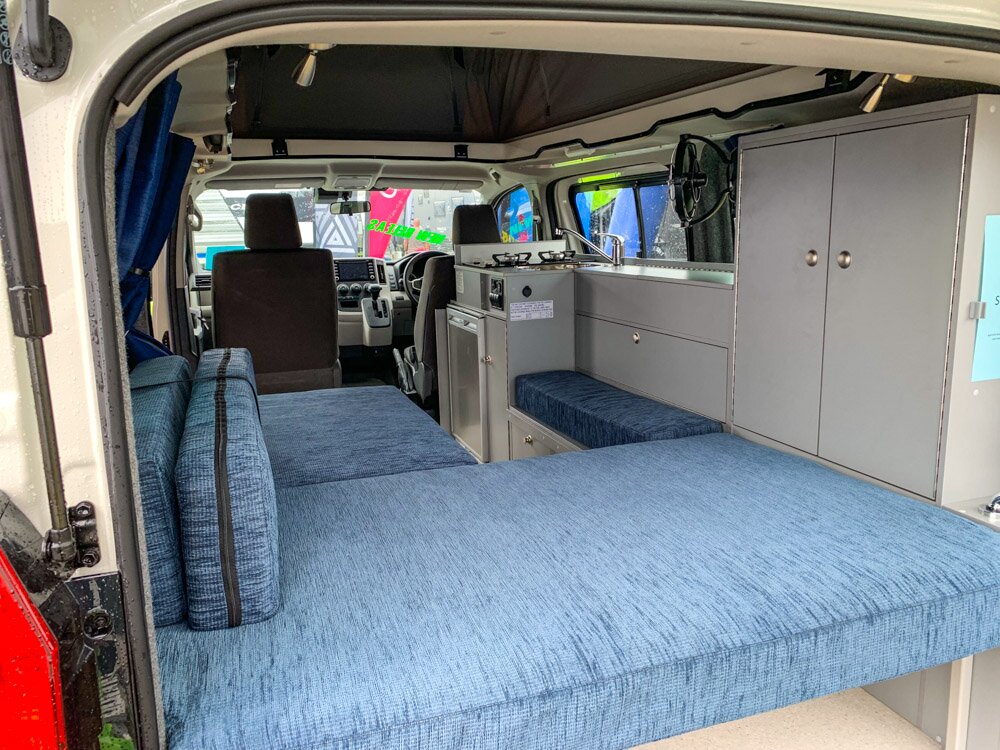
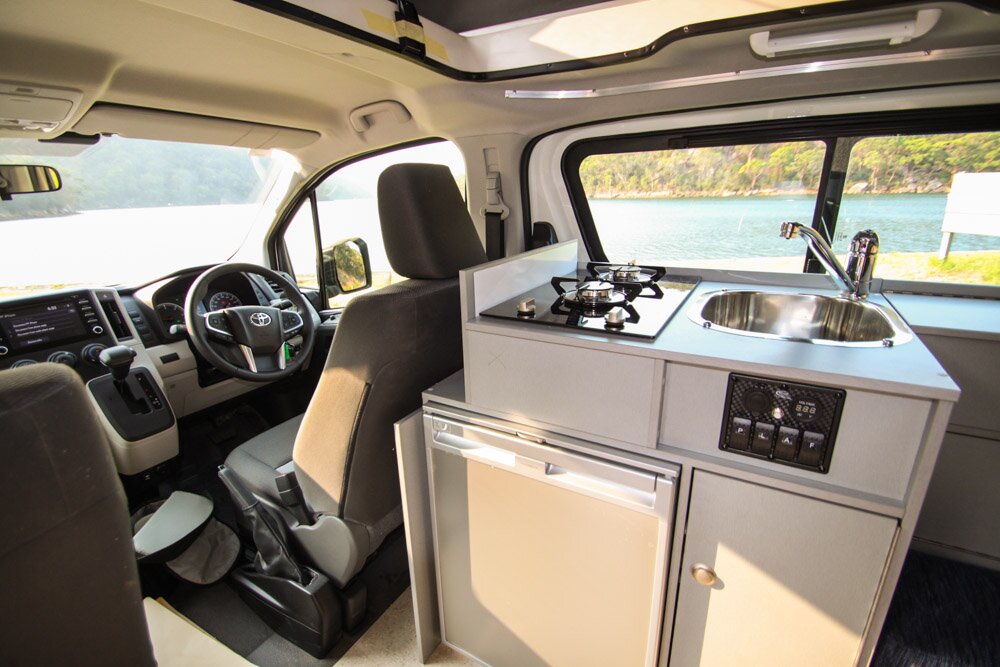
The most notable changes for the model is the engine out front, improving the van’s safety and driveability out of the box. For a campervan scenario, it’s also opened up a walk-through cabin, so occupants can move from the front seats to the camper area without leaving the vehicle. Peter told us this is just the first of the layouts they’ll be offering, as the work with the new, shorter-but-wider space in the back. He says, “This is an example of what we are doing with a model that has the engine out the front and walk through cab plus all the safety upgrades from Toyota and that’s meshing well with our product.”
One interesting feature is the gas stove in the kitchen, as Frontline was using metho stoves until recently when supply dried up, then portable butane stove to add versatility to the cooking area. Peter told us, “We’re trialling the gas stove for some of our clients who still want to have the cooking ability inside. We’ll see how it goes. I think there’s still a lot of people who prefer to cook outside, especially the smellier stuff, and it can be quite a hot environment in a small camper. But certainly, when boiling a kettle or something simple, but we’ll see what the market says.”Frontline expects to be in full production by April for the new campers. There are four vehicle variations available, including petrol, diesel, automatic and manual, although Peter expects the automatic diesel model will be the most popular. He said, “There’s 30 percent more power with this engine, and the engine is up the front, and that gives a different dynamic to the handling, and matched with the power, it’s quite a nice car to drive, much better than the previous model.”

- About the Author
- Latest Posts

About Time To Roam
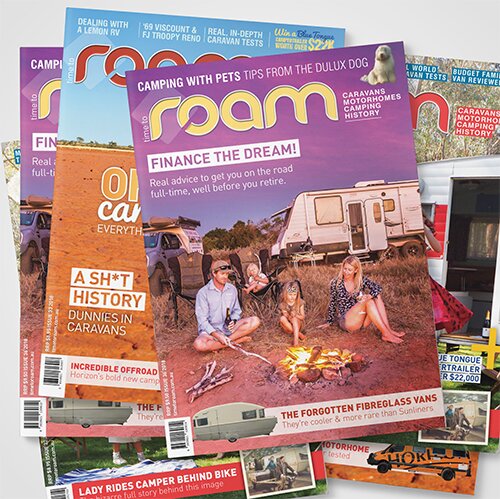
Australia's premier magazine focused on the people and culture of caravanning and camping.- Shows Cancelled amid COVID-19 Fears - 14 March 2020
- Windsor Caravans Now Does Motorhomes - 11 February 2020
- First Look – Frontline HiAce 6th Generation - 10 February 2020
- ACC Heading to Charters Towers - 5 February 2020
- New HiAce Frontline Camper Unveiled - 4 February 2020
- Should You Travel To Bushfire Affected Communities? - 12 January 2020
- Can Your Caravan Help After The Bushfires - 11 January 2020
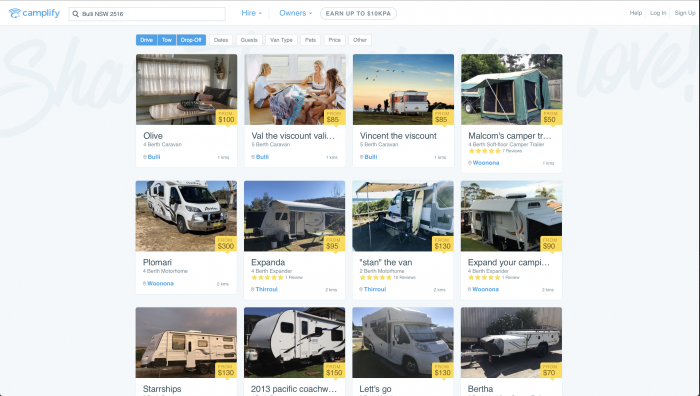
- Why We Use Camplify And You Should Too - 29 October 2019
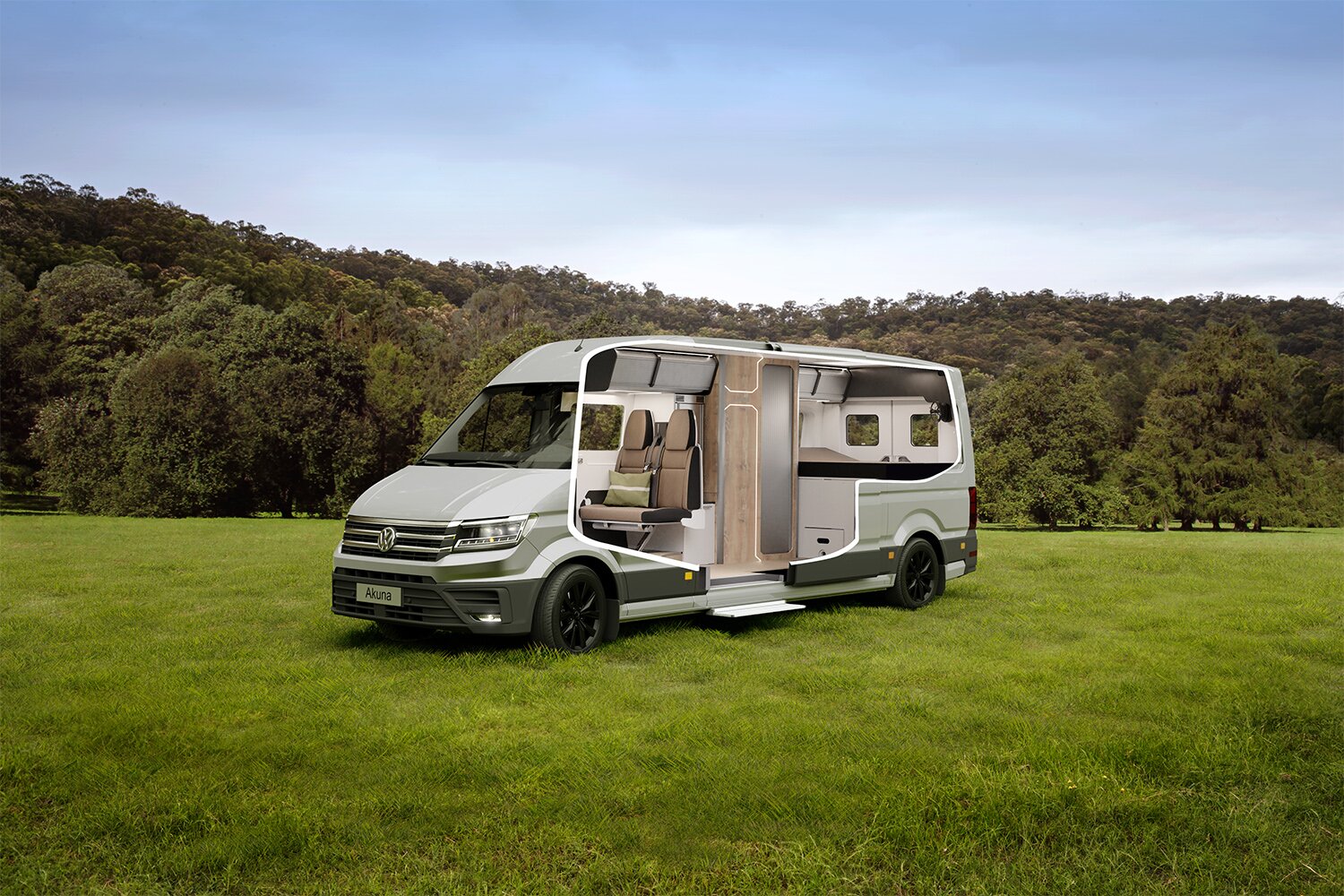
- Trakka Akuna Campervan – First Look - 24 October 2019
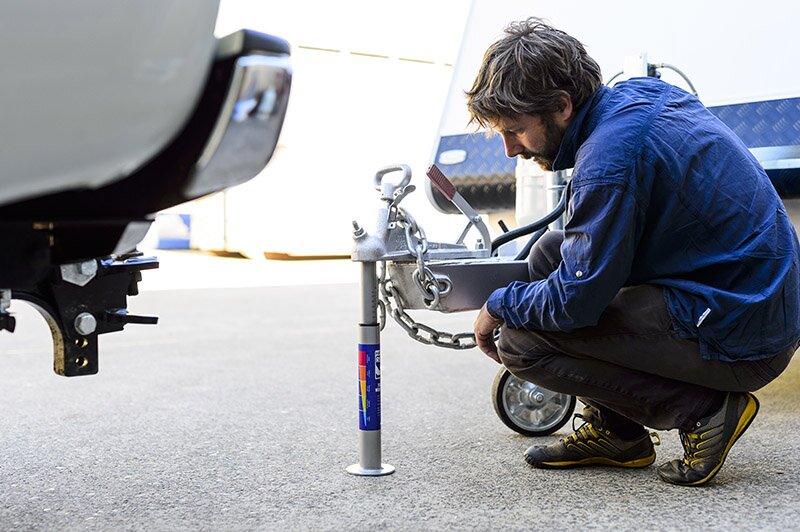
- Car and Caravan Weight Calculator - 11 October 2019
Campervan Conversions: Frequently Asked Questions
What should I look for when buying a campervan conversion?
Start with the base vehicle's service history and rust condition — mechanical soundness outranks interior flash. Inside, check the quality of the conversion itself: gas installations must be certified by a licensed gas fitter, electrical work should meet AS/NZS 3001, and cabinets should be properly anchored rather than screwed to trim panels. Ask for the compliance paperwork; reputable converters supply it without prompting.
Is a Toyota HiAce a good base for a campervan?
The HiAce has been Australia's default camper base for decades for good reasons: parts and servicing are available almost everywhere, resale values hold up well, and the long-wheelbase versions give converters a practical floor plan for a bed, kitchen and storage. Its compromises are a firm commercial-vehicle ride and less interior width than a van like a Sprinter — fine for two people, tight for more.
How much does a campervan conversion cost in Australia?
A professional pop-top conversion of a HiAce-class van typically runs from around $30,000 to $60,000 on top of the base vehicle, depending on specification — electrics (lithium batteries, solar), cabinetry quality and appliances drive the spread. DIY conversions cost less in cash but must still meet the same gas and electrical certification requirements to be insured and registered easily.
Do campervans need to be re-registered or re-certified after conversion?
Requirements vary by state, but a significant conversion generally needs to be declared to the registration authority, and some states require an engineer's certificate or a change to the vehicle's classification (for example to 'campervan' or 'motorhome'), which can reduce compulsory insurance costs. Gas and electrical certificates are effectively mandatory anywhere — insurers ask for them after a claim.